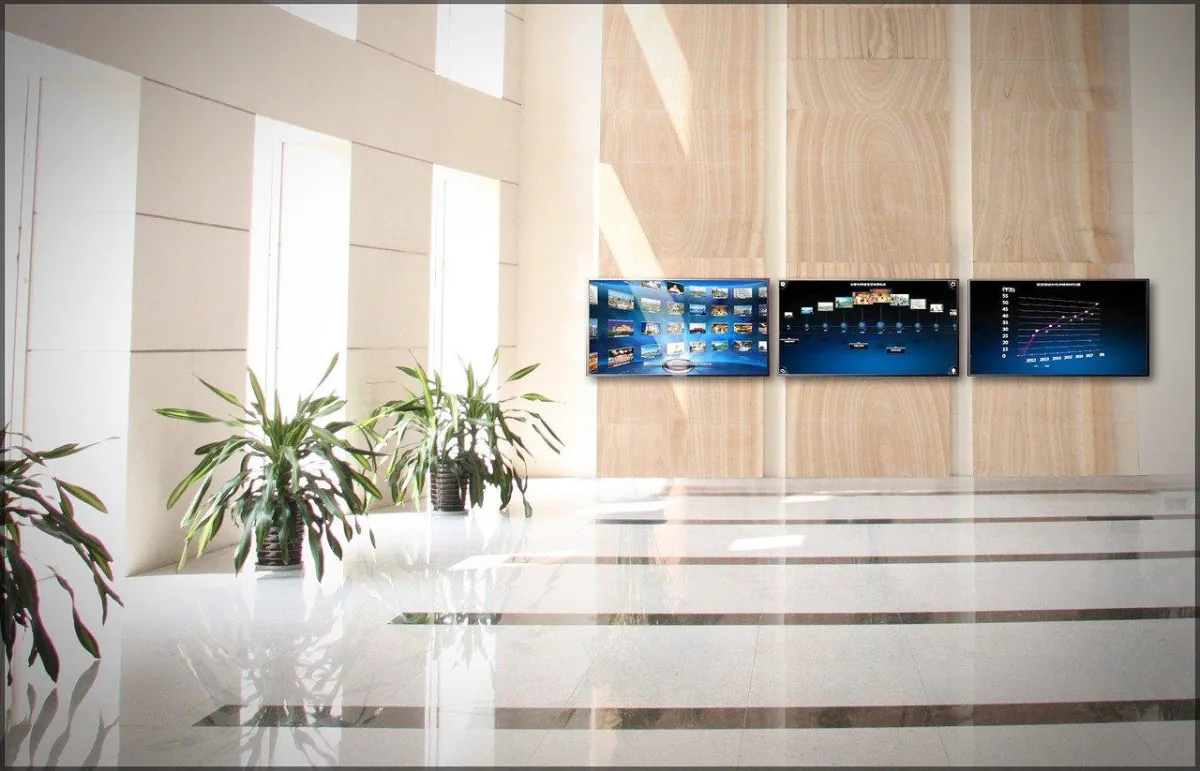
How paint can effect your employees
The interior design of a workspace extends far beyond aesthetics—it’s a dynamic tool that influences the mood, productivity, and culture of a working environment. Among the factors shaping this atmosphere, the choice of interior paint color stands out as a powerful element that can positively impact employees and send subtle yet impactful messages about the workplace. In this exploration, we delve into the transformative influence of paint in both office and industrial settings, uncovering how a splash of color can shape the mood and communicate essential aspects of the work environment.
The Psychology of Color
Colors evoke emotions and attitudes, and this psychological impact is particularly pronounced in the workplace. The color palette chosen for office interiors can set the tone for the entire work environment. For instance, calming blues and greens can foster a serene and focused atmosphere, while energetic yellows and oranges may infuse energy and creativity. By strategically selecting interior paint colors, businesses can create a mood that aligns with their values and objectives.
Boosting Employee Morale
A well-chosen color scheme can have a direct impact on employee morale and productivity. Soft, muted tones can create a tranquil setting, reducing stress and promoting concentration. In contrast, vibrant and bold colors may inspire innovation and dynamism, encouraging employees to think creatively. Understanding the intended atmosphere of a workspace allows businesses to select paint colors that enhance the well-being and productivity of their teams.
Sending a Message
Interior paint color is a visual representation of a company’s identity and brand. The colors chosen for the office or industrial space can communicate the values, culture, and personality of the organization. For example, a tech startup might opt for modern and vibrant colors to reflect innovation and creativity, while a law firm may choose more classic and subdued tones to convey professionalism and stability. The intentional use of color reinforces the brand message and creates a cohesive visual identity.
Connecting Through Color
Different work zones within an office or industrial space may have varying functions and requirements. Thoughtful use of color can help delineate these zones and foster collaboration. Warm and inviting colors in communal spaces can encourage interaction and teamwork, while cooler tones in individual workstations may support focus and concentration. The strategic application of color creates a visual roadmap, guiding employees through the space and facilitating seamless collaboration.
Reflecting the Work Environment
In industrial settings, where functionality is paramount, interior paint serves a dual purpose of functionality and aesthetics. The choice of color can reflect the nature of the industry and contribute to a safe and organized workspace. For instance, muted earth tones may be suitable for manufacturing environments, while clean and bright colors could enhance visibility and safety in laboratories or warehouses.
In conclusion,
the interior paint color within an office or industrial setting is a subtle yet influential aspect of creating a conducive work environment. It shapes moods, boosts productivity, and communicates essential messages about the workplace culture. As businesses consider the design of their interiors, the transformative power of paint emerges as a tool that goes beyond mere aesthetics, becoming a strategic ally in creating vibrant, productive, and cohesive workspaces.
